
Choosing where to live can be one of the hardest parts of moving to Atlanta. The city contains dense business districts, walkable intown communities, quieter residential streets, and rapidly developing mixed-use areas. Each offers a different combination of housing, transportation, amenities, and atmosphere.
The best neighborhoods in Atlanta for renters depend on where you need to travel, whether you own a car, and what you want around your home. Instead of searching for one universally ideal neighborhood, compare each area according to your routine, housing needs, and preferred surroundings.
Affiliate disclosure: This article contains affiliate links. If you use one of these links, we may earn a commission at no additional cost to you.
What Should Renters Consider Before Choosing an Atlanta Neighborhood?
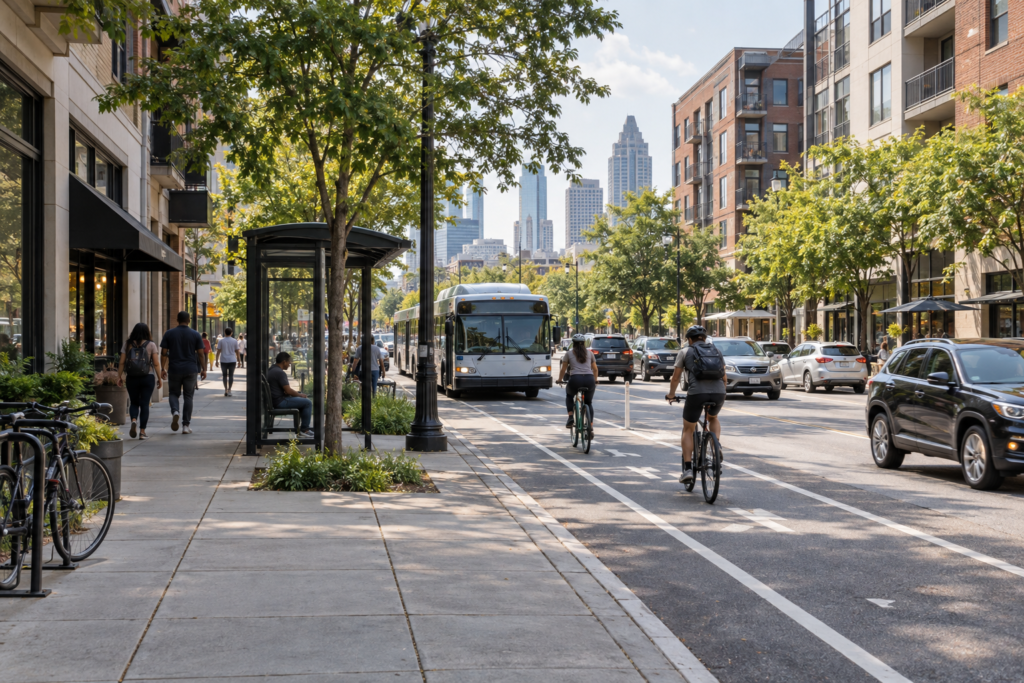
Start with the places you expect to visit regularly. These might include your workplace, university, grocery store, medical provider, gym, or family members. A neighborhood can look conveniently located on a city map but still create a difficult daily trip because of traffic, limited transit connections, or indirect road access.
If you do not plan to own a car, examine the complete journey between a potential home and your usual destinations. Being near a bus stop does not necessarily mean the route will fit your schedule. Check the walking distance, number of transfers, operating hours, and frequency of service through current MARTA information.
Drivers should investigate parking availability, building fees, guest parking, and street restrictions. Consider your complete housing cost as well. Rent is only part of the calculation when utilities, parking, transportation, laundry, and other expenses are charged separately.
Housing type also matters. Central neighborhoods may offer more apartments and condominiums, while residential areas can have duplexes, smaller multifamily buildings, or rooms in houses. After identifying your priorities, you can browse available rooms in Atlanta as one part of a broader housing search.
Six Atlanta Neighborhoods Renters Should Compare
The following neighborhoods represent different Atlanta living environments. These profiles describe their general characteristics, but conditions can vary from one street or property to another.
1. Midtown: For Central Access and an Urban Lifestyle
Midtown may appeal to renters who want an urban environment near offices, cultural institutions, restaurants, and outdoor spaces. The neighborhood includes high-rise apartments, condominium buildings, and some older residential properties.
MARTA rail service is an important advantage for renters who live within a practical walking distance of a station. Georgia Tech is also located in the Midtown area, making the neighborhood relevant to some students, university employees, and people working nearby.
Piedmont Park, the High Museum of Art, the Fox Theatre, and other destinations contribute to Midtown’s active character. However, renters should not assume that every property offers convenient parking or the same level of transit access. Building fees, street activity, and available space can differ considerably.
For renters who value central access and want employment centers, restaurants, entertainment, and cultural destinations relatively close to home, Midtown deserves consideration.
2. Buckhead: For Employment, Shopping, and Varied Residential Areas
Buckhead is not one small, uniform neighborhood. The name refers to a broad part of northern Atlanta containing office districts, shopping destinations, residential streets, apartment buildings, condominiums, hotels, and restaurants.
Some properties have useful access to MARTA rail or bus service, while others are more practical for drivers. Check the individual listing’s location instead of assuming that every Buckhead property provides the same transportation options.
The area may be convenient for people employed in nearby offices, stores, hotels, restaurants, or healthcare facilities. Housing surroundings can range from busy commercial corridors to quieter residential sections.
A Buckhead address may work particularly well for someone employed in northern Atlanta. It may be less practical for a renter whose daily activities are concentrated on another side of the city, so test the door-to-door route before deciding.
3. Old Fourth Ward: For Beltline Access and an Active Setting
Old Fourth Ward attracts renters interested in an intown location with access to restaurants, parks, businesses, and the Atlanta Beltline’s Eastside Trail. Housing includes newer apartment developments, renovated properties, loft-style units, and older residential buildings.
The neighborhood’s activity can be an advantage for people who enjoy having dining, recreation, and entertainment nearby. That same activity may create noise, traffic, or visitor-parking concerns around certain properties.
Transportation access is not identical throughout Old Fourth Ward. Renters relying on public transit should calculate the route from the specific property rather than judging a listing by its neighborhood name alone.
People who want an energetic setting and expect to use the Beltline regularly may find the area appealing. Visit during daytime and evening hours when possible to understand how the immediate surroundings change throughout the day.
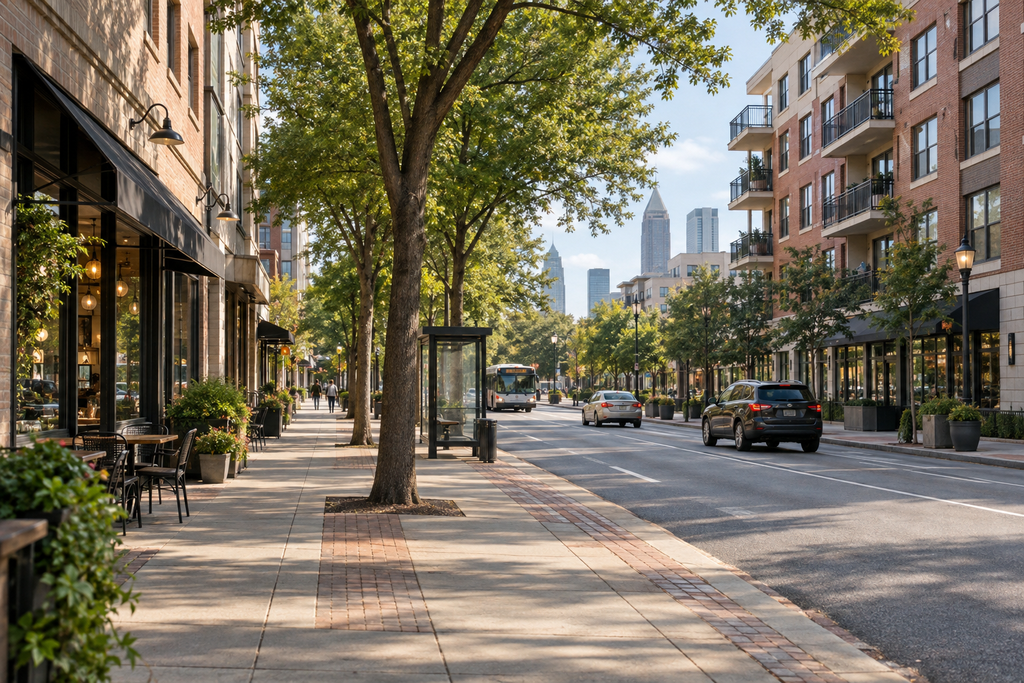
4. West Midtown: For Newer Development and Mixed-Use Surroundings
West Midtown combines restaurants, offices, residential development, retail businesses, and former industrial properties. Many people are drawn to its mixture of newer construction and converted spaces.
Its location may be useful for some Georgia Tech students and people working in nearby commercial or employment areas. However, transportation convenience and walkability can change significantly between properties. A listing described as being in West Midtown may not provide easy walking access to every destination associated with the area.
Renters without cars should examine the complete public-transit and walking route. Drivers should confirm whether parking is included and whether nearby development or busy roads affect access.
The area may interest renters who prefer newer housing and active mixed-use surroundings. Location deserves careful attention because neighborhood labels and practical boundaries are not always applied consistently in advertisements.
5. Virginia-Highland: For Residential Character and Local Amenities
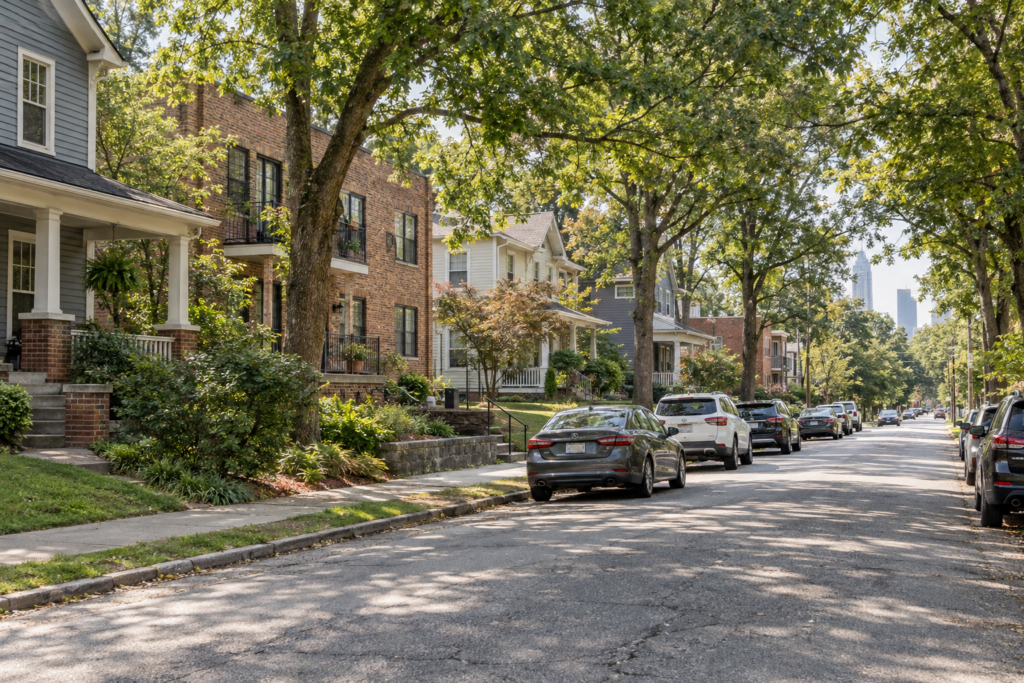
Virginia-Highland offers a more residential atmosphere while keeping renters near local restaurants, shops, parks, and other intown neighborhoods. Housing may include older apartments, duplexes, smaller buildings, and rooms in houses.
The neighborhood can appeal to renters who want local amenities without living directly inside a high-rise business district. However, it does not have its own MARTA rail station. People who depend on public transportation should review available bus service, walking conditions, and necessary transfers from the property they are considering.
Drivers should investigate parking because arrangements vary among older properties, multifamily buildings, and houses with shared driveways.
Virginia-Highland may be a good match for someone who values neighborhood character and nearby businesses more than direct rail access. Evaluate the immediate street and available transportation rather than relying only on a general description of the area.
6. Kirkwood: For a More Residential Eastside Environment
Kirkwood provides a residential eastside setting with local businesses and connections to surrounding Atlanta communities. Available housing can include apartments, duplexes, detached homes, and rooms offered within shared houses.
The neighborhood may interest renters who prefer residential streets and a smaller commercial district over the denser environment of Midtown. It can also work for people whose jobs, schools, or regular activities are located on Atlanta’s east side.
Transit access depends heavily on location. Some properties may provide practical connections to nearby MARTA stations or bus routes, while others may be easier for drivers. Confirm the complete trip instead of assuming that every Kirkwood listing offers the same access.
Renters seeking a less central environment while remaining within Atlanta may want to include Kirkwood in their search. Compare transportation, parking, and nearby services before deciding whether a particular home fits your routine.
Atlanta Neighborhood Comparison at a Glance
| Neighborhood | General setting | Transportation | May suit |
|---|---|---|---|
| Midtown | Dense and urban | Rail access in parts of the area | Renters prioritizing central access |
| Buckhead | Commercial and residential | Rail, bus, and driving convenience vary | Renters working in northern Atlanta |
| Old Fourth Ward | Active intown environment | Transit access varies by property | Renters wanting Beltline access |
| West Midtown | Developing mixed-use area | Limited direct rail access | Renters interested in newer development |
| Virginia-Highland | Residential with local businesses | Bus or car may be more practical | Renters preferring neighborhood character |
| Kirkwood | Residential eastside setting | Access varies by property | Renters wanting a less central environment |
How to Evaluate a Neighborhood Before Moving
Online research can narrow your choices, but the individual property matters more than the neighborhood label. If possible, visit during the hours when you would normally leave for work, return home, or use nearby businesses. Observe traffic, lighting, noise, parking, and the walking route to transit.
Test the commute at realistic times and verify current MARTA routes through official sources. If you are comparing shared housing, ask how many people live in the home, which spaces are shared, how utilities are divided, and whether the person offering the room has permission to rent it.
Our broader guide to finding rooms for rent in Atlanta explains how to evaluate budgets, leases, roommates, and common rental warning signs.
Compare several legitimate housing sources instead of depending on one platform. You can also search for rooms and potential roommates in Atlanta, but independently inspect the property, confirm important terms, and verify the identity and rental authority of the person accepting payment.
Choosing the Right Atlanta Neighborhood for Your Routine
No Atlanta neighborhood will be the right fit for every renter. Midtown’s central environment, Buckhead’s varied districts, Old Fourth Ward’s Beltline access, West Midtown’s newer development, Virginia-Highland’s residential character, and Kirkwood’s eastside setting serve different priorities.
Compare specific properties rather than relying on neighborhood names alone. The strongest choice will fit your budget, commute, transportation needs, preferred surroundings, and housing arrangement. Verify current details, visit safely when possible, and put important rental terms in writing before paying.